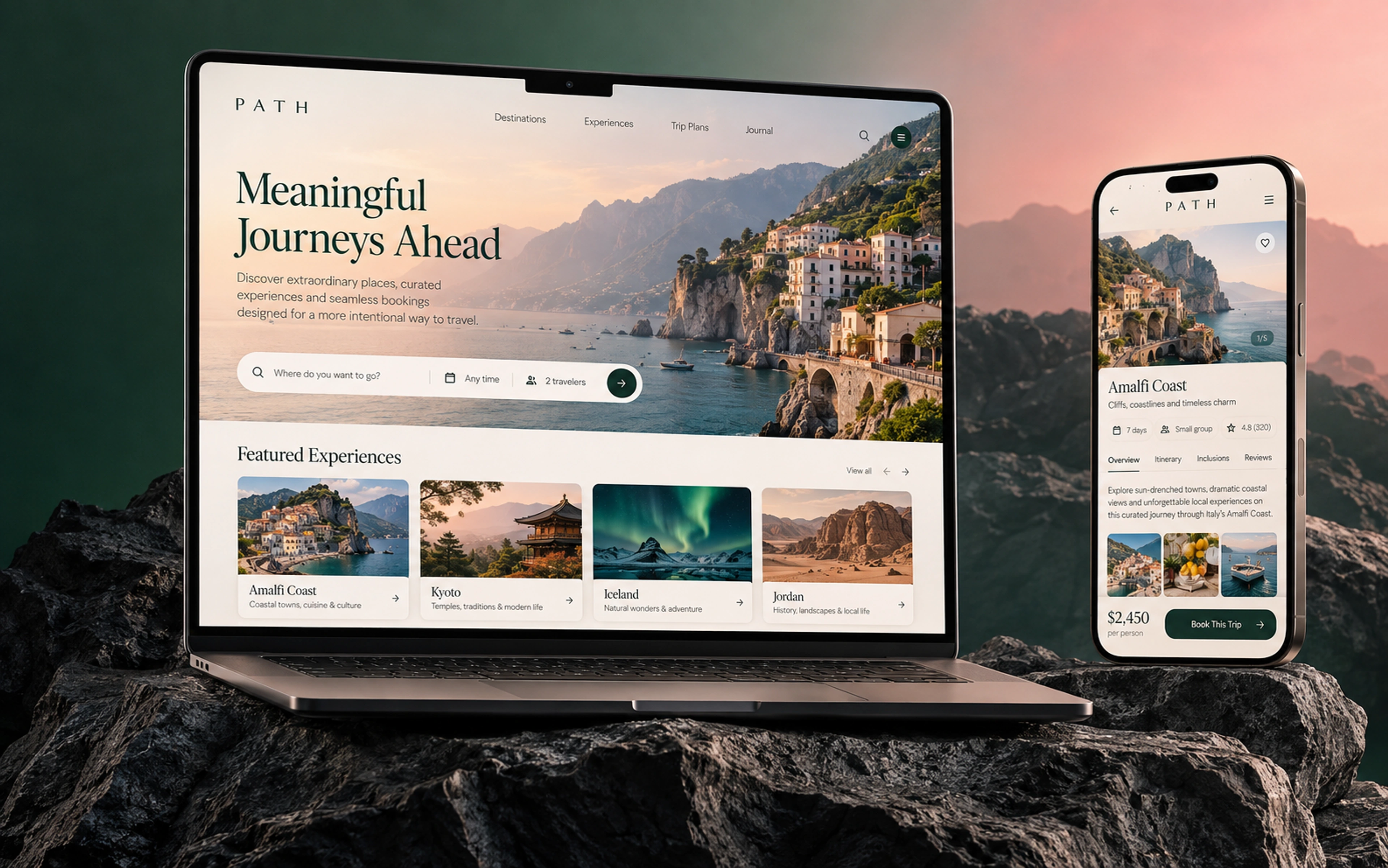
User Research.
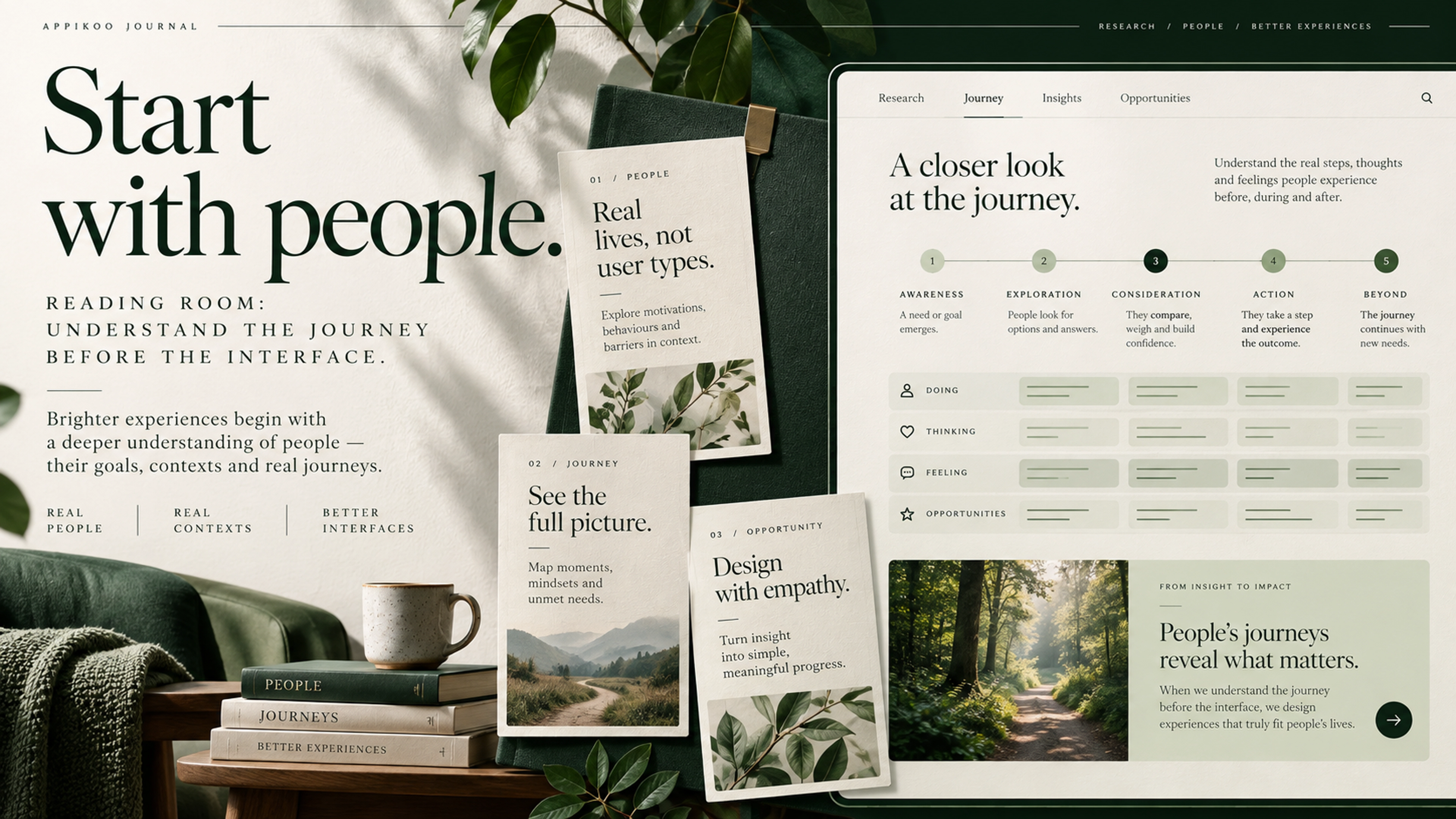
Interviews, usability testing, session recording analysis, and the qualitative research methods that reveal how users actually think, decide, and behave, not how we assume they do.

The psychological blueprint for how users engage with your brand. We develop user research, information architecture, interaction design, and the end-to-end experience framework that converts attention into sustained action across every touchpoint, at every stage of the customer journey.
Most digital experiences are designed inside-out from what the organization wants to communicate, outward toward the user. The result is experiences that are logically organized from the organization's perspective but confusing from the user's because the organization's mental model of its own product is rarely the same as the user's mental model of their own problem.
Experience strategy begins outside-in from user research, from mental model mapping, from the specific moments where users make decisions, experience friction, or feel confident enough to commit. The strategy then defines the information architecture, interaction patterns, and journey design that serve those moments rather than the organizational chart.
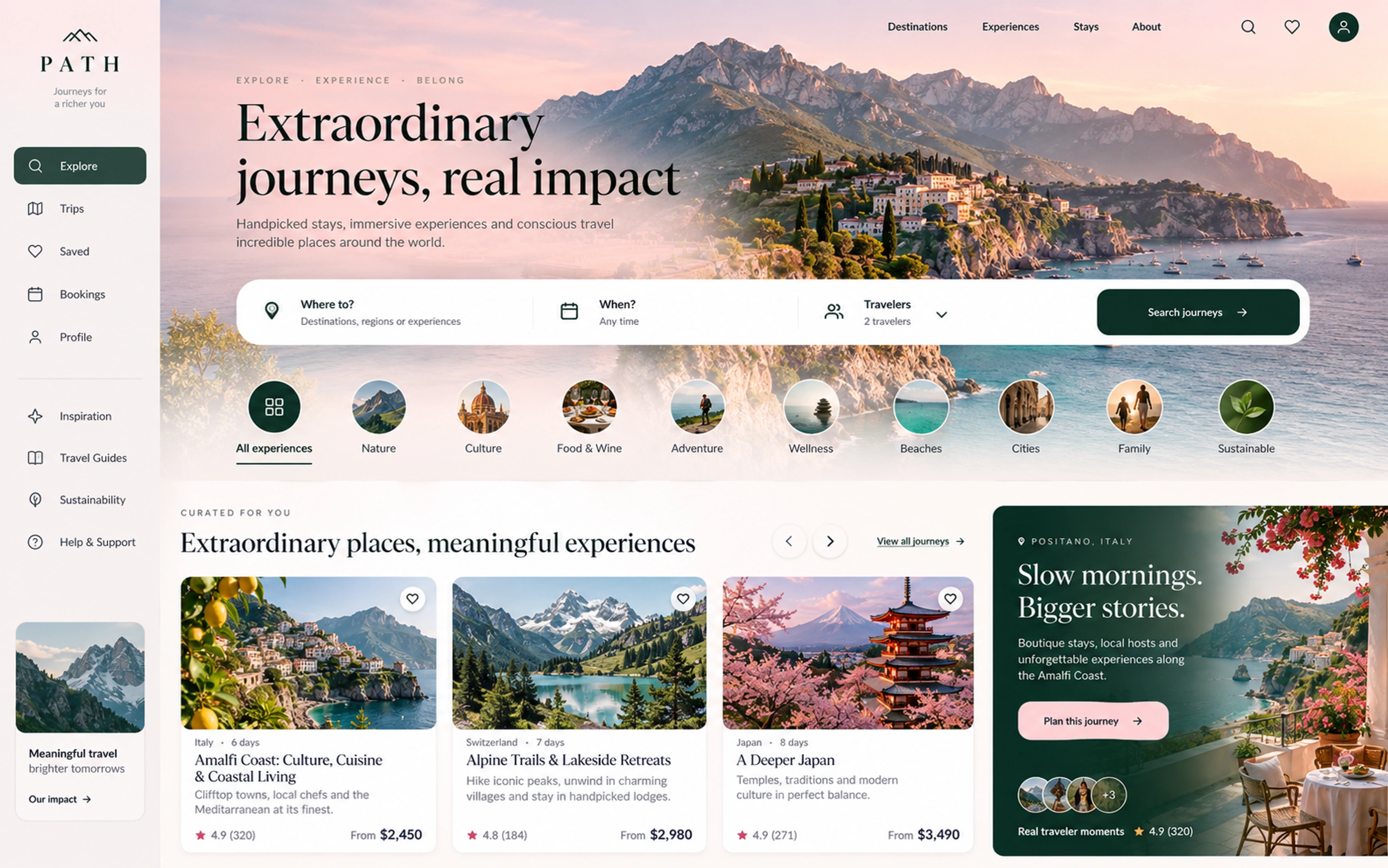
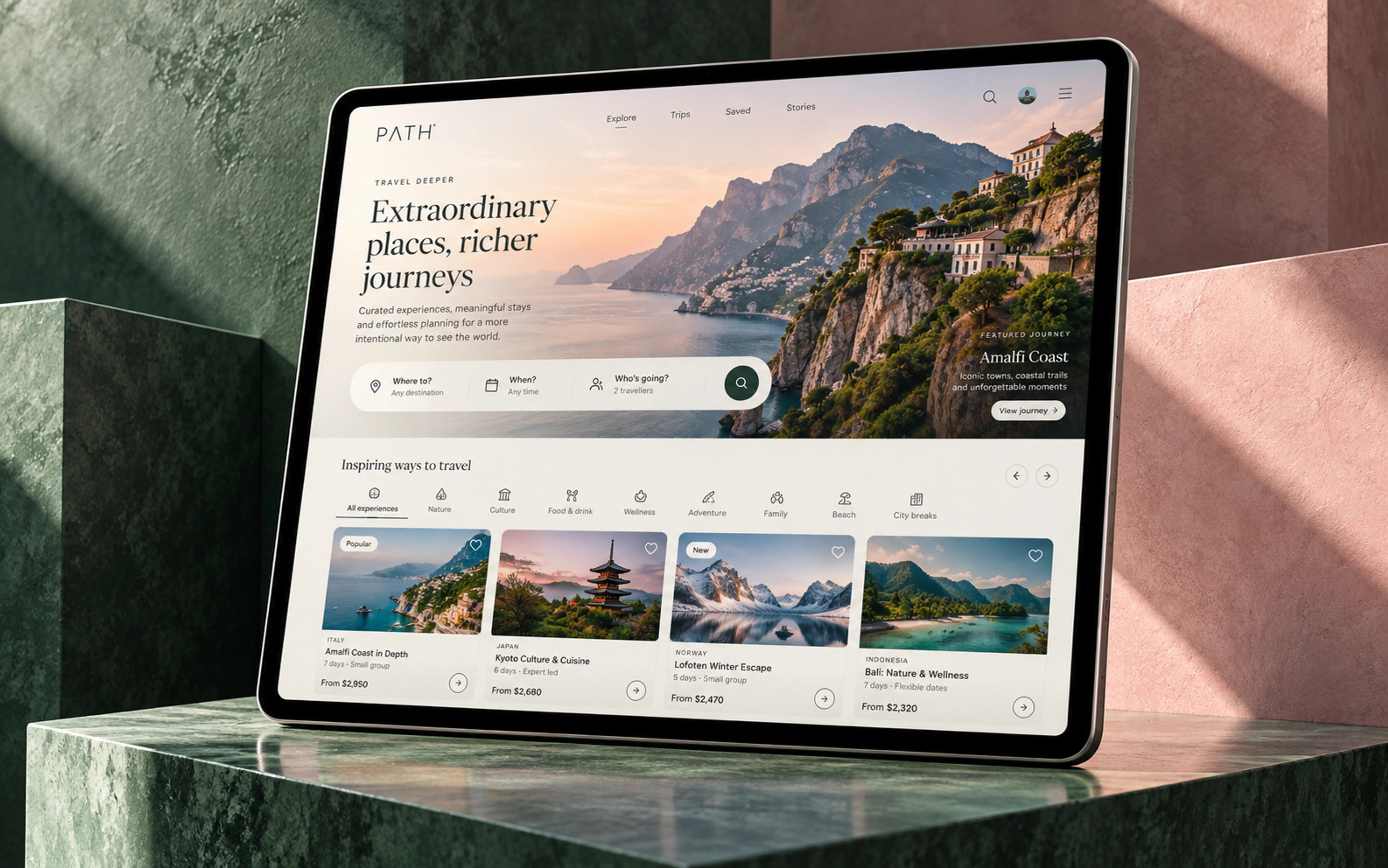
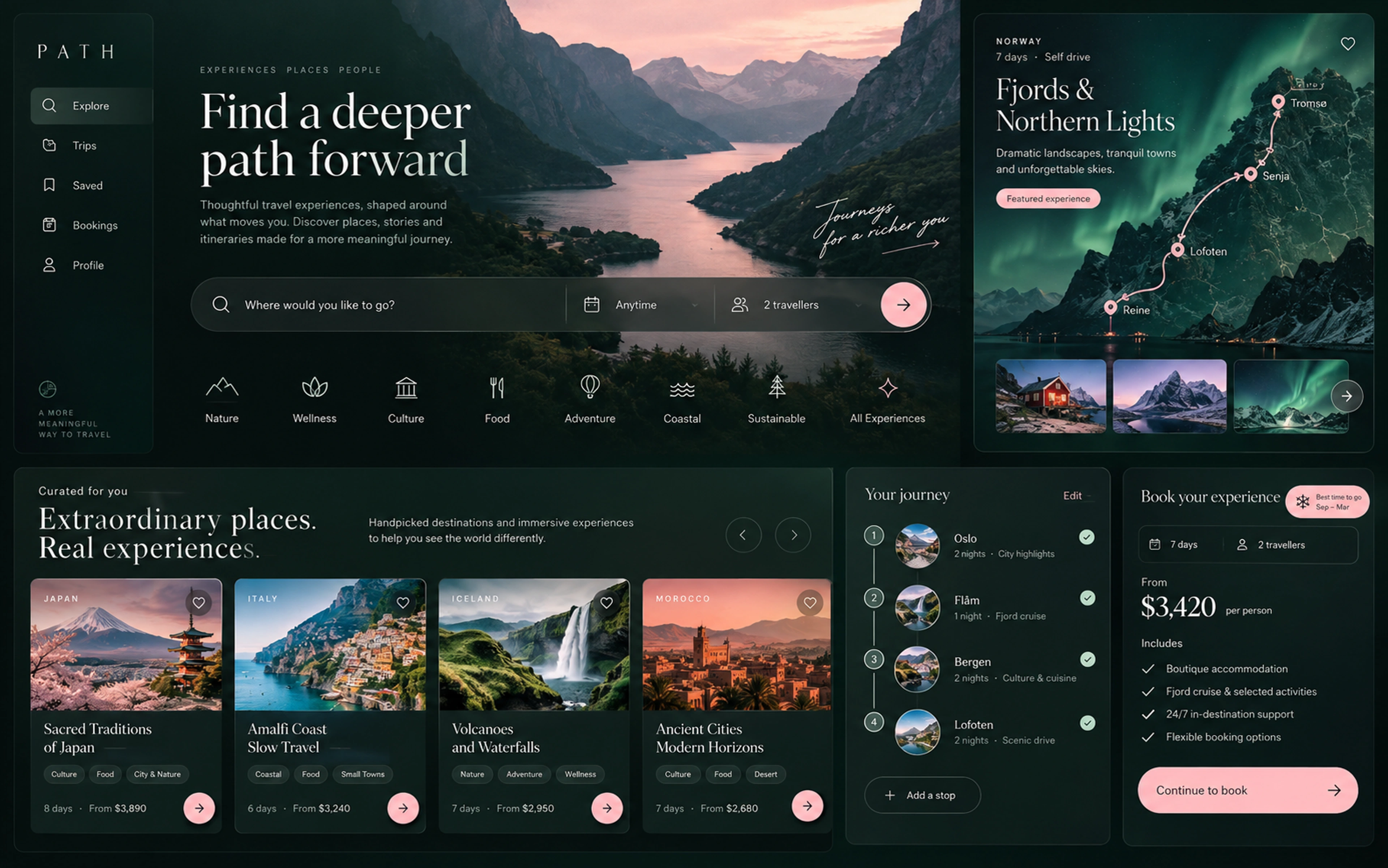
Interviews, usability testing, session recording analysis, and the qualitative research methods that reveal how users actually think, decide, and behave, not how we assume they do.
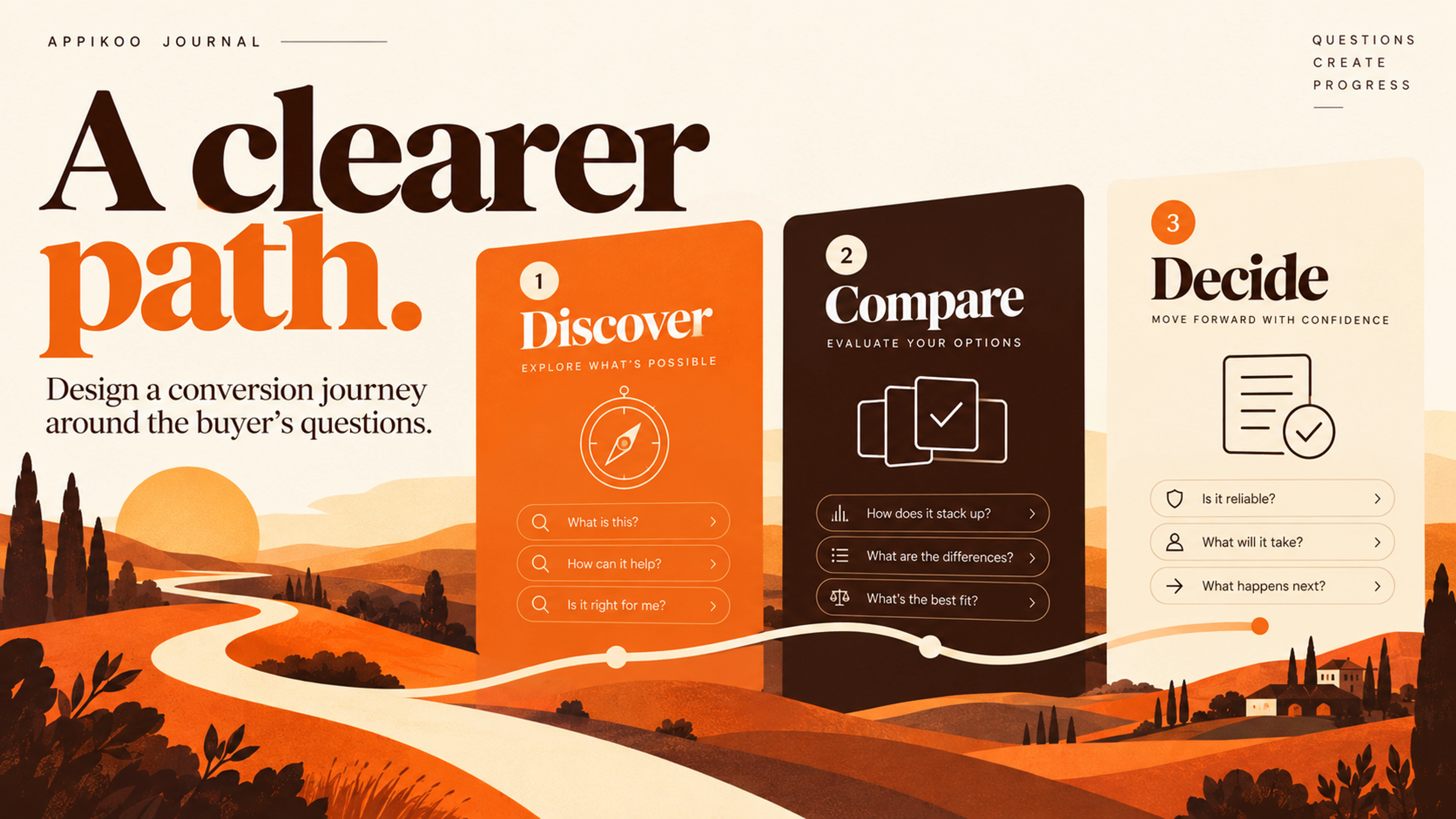
End-to-end customer journey mapping (every touchpoint from first awareness to long-term advocacy) with the friction points, decision moments, and emotional states documented at each stage.
Content organization, navigation design, and the structural decisions that determine whether users can find what they need in the time and context they have (validated through card sorting and tree testing with real users).
The principles, patterns, and conventions that govern how users interact with the product, ensuring consistency, learnability, and the predictability that builds user confidence.
A research-led program that builds an end-to-end experience framework from user insight through strategic recommendation to design-ready specifications.
The scope delivered. The value it brings to each project.
1
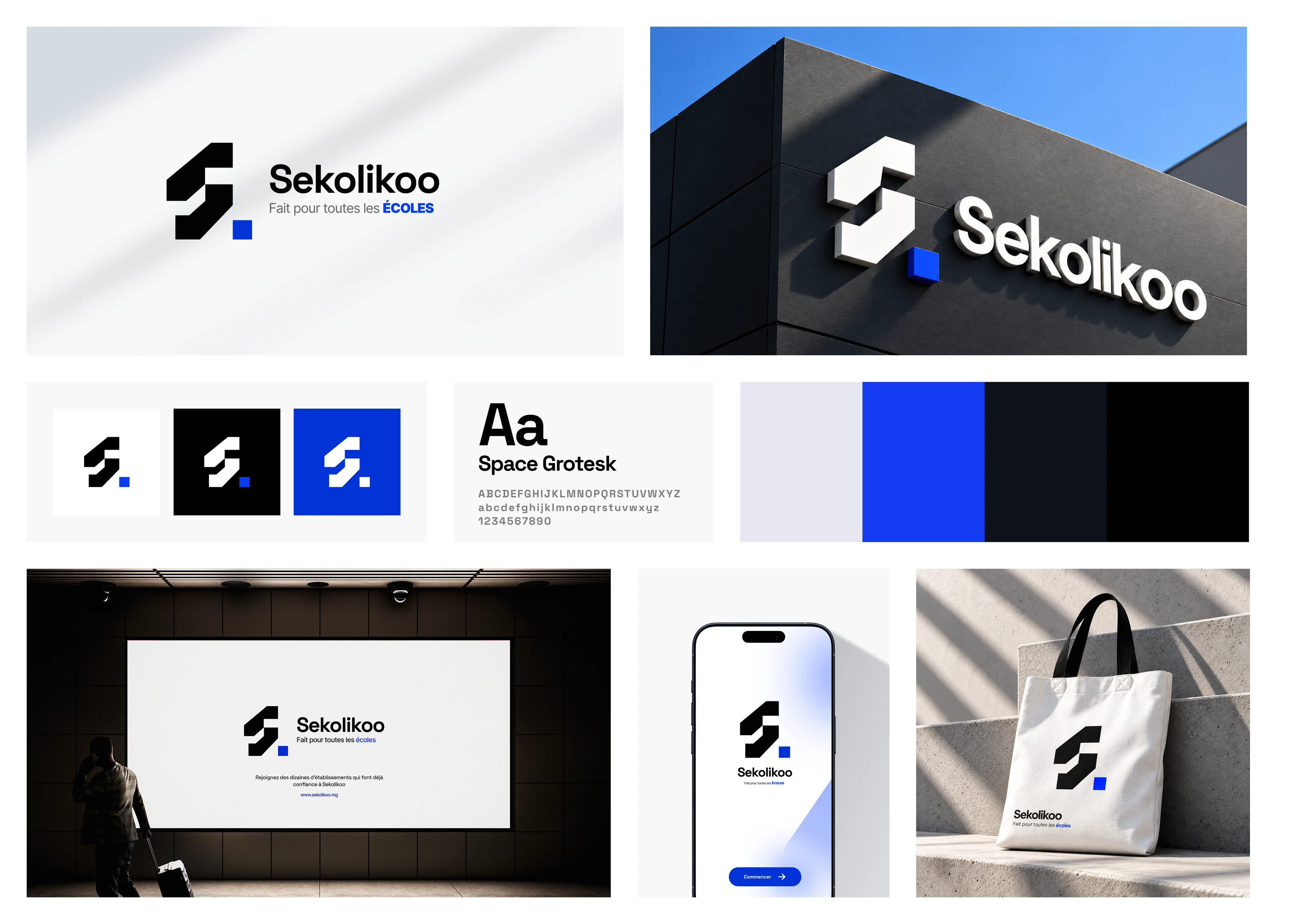
Appikoo united the logo, typography, colours and brand applications into a shared visual language for Sekolikoo.
The confidence behind every collaboration.
“Appikoo gave Sekolikoo a distinctive identity that brings our entire education ecosystem together. Every application now belongs to the same clear visual language.”
Perspectives on user research methods, journey mapping, information architecture, and the strategic discipline that determines whether digital experiences serve users or confuse them.
Projects from the Appikoo portfolio, from branding to deployment.
Tell us about your vision we'll transform it into a refined, high-performing digital experience designed to elevate your brand and drive meaningful impact.
Honest answers about what experience strategy involves, how long it takes, and the difference between experience strategy and UX design.