Product discovery depends on useful information, understandable categories and filters that reflect real buying decisions. A beautiful grid cannot compensate for a catalog that leaves essential questions unanswered.
01.Structure the catalog around customer vocabulary
Internal stock categories are not always useful navigation labels. Observe how customers describe what they want and group products accordingly. A buyer may begin with a use case, a material or a size rather than the department that manages the item.
Keep a consistent set of attributes across comparable products. If one item records dimensions in a description while another uses a structured field, filtering and comparison become unreliable. Catalog quality is part of interface quality, even when the work happens outside the storefront.
02.Offer filters that narrow a real decision
A filter should help someone eliminate unsuitable options. Start with the attributes most relevant to the purchase and expose the current selection clearly. Make it easy to remove one condition without resetting the entire exploration.
Design the zero-result state deliberately. Explain that the current combination has no match and offer a sensible way to broaden it. A blank grid gives no guidance and can make an otherwise healthy catalog appear broken.
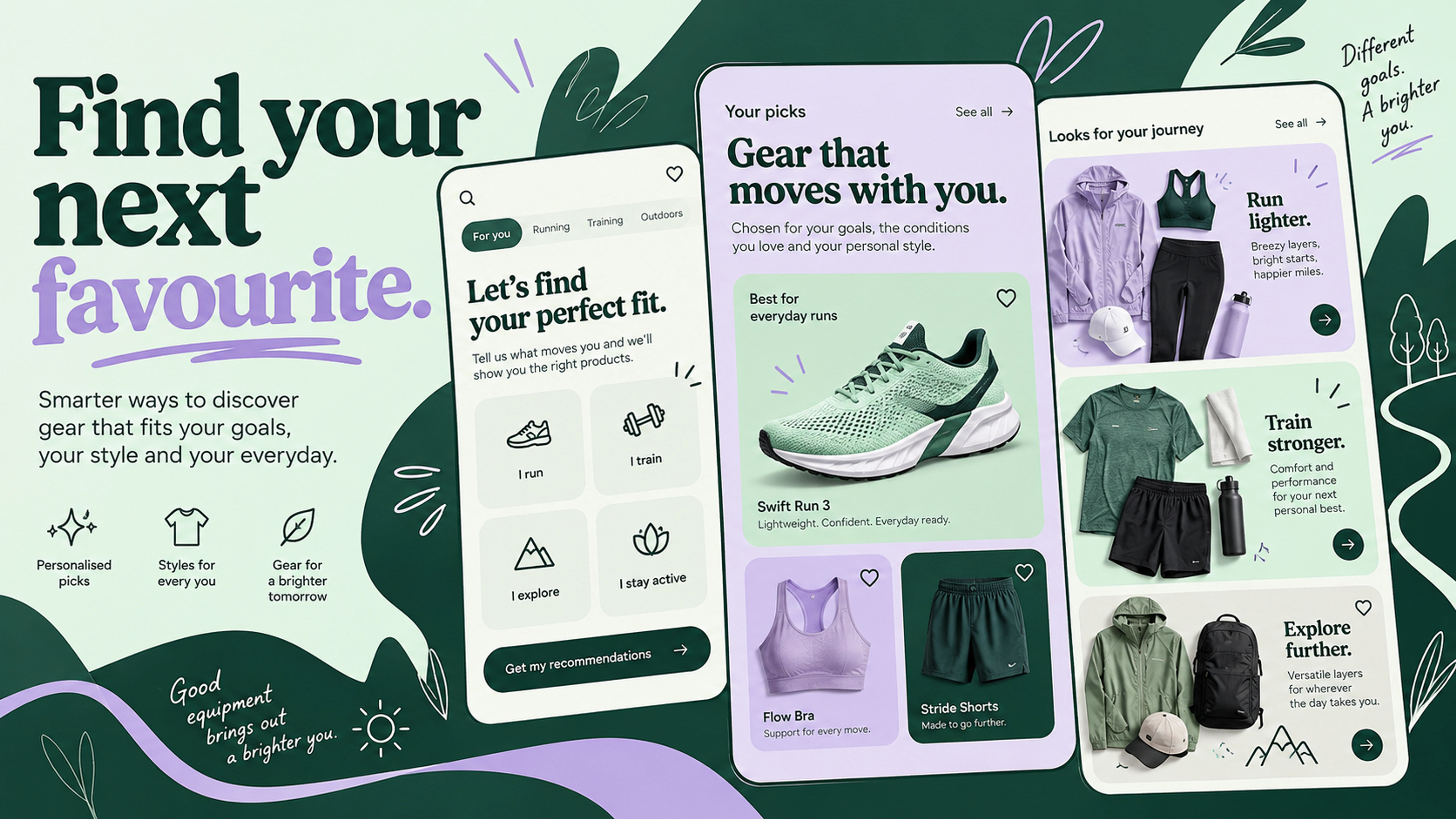
03.Make product cards useful before the click
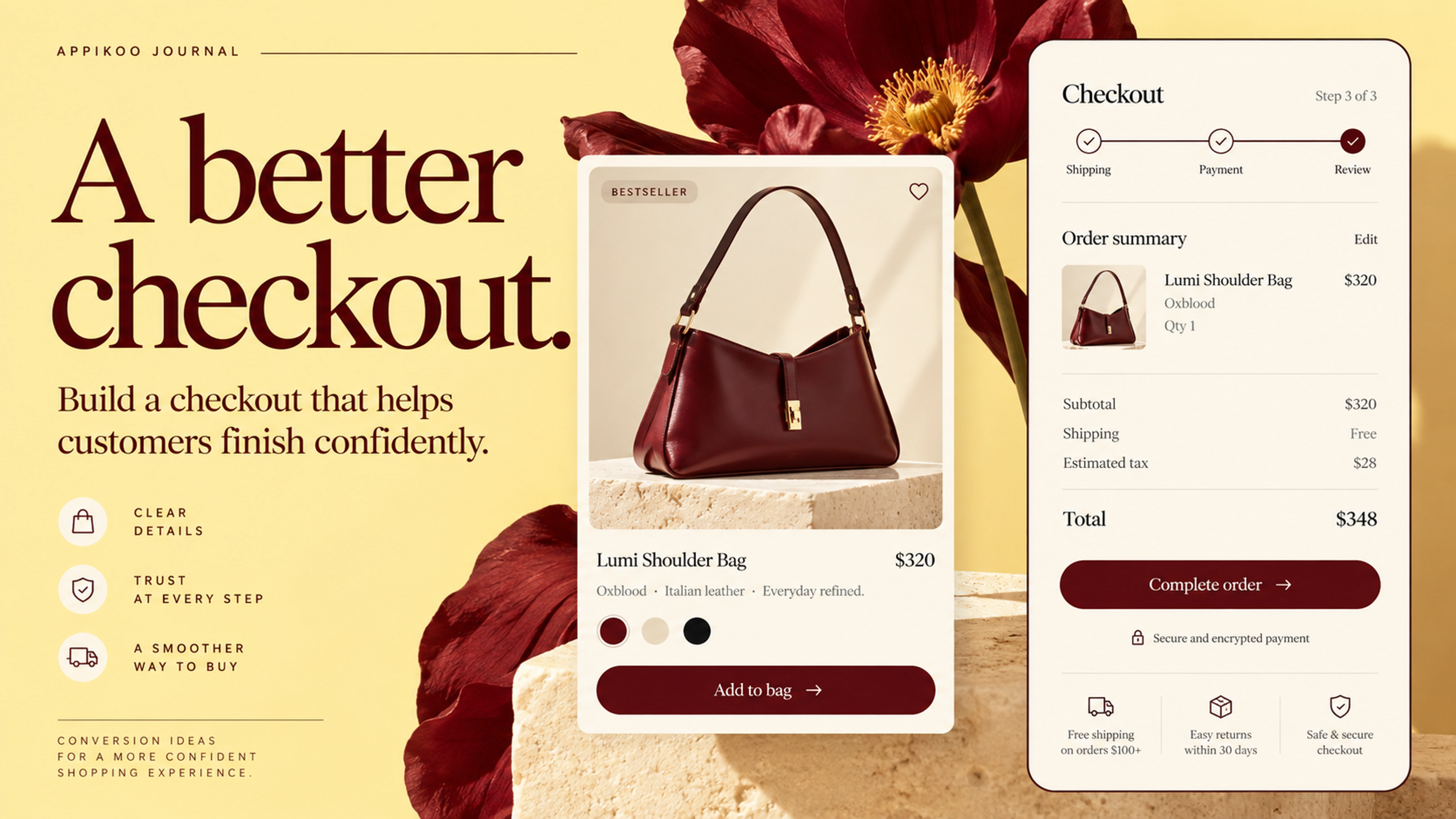
Show the details needed to decide whether a product deserves a closer look. The right information varies by category: scale for furniture, material for textiles or compatibility for equipment. Keep the visual hierarchy consistent so the eye can compare items quickly.
Use photography that clarifies the product rather than only creating atmosphere. Include context and detail where they reduce uncertainty. When a variant changes the appearance, ensure the selected option and displayed image agree before the customer adds the item.
04.Improve discovery through observed searches
Review searches without results, commonly removed filters and repeated support questions. These signals can reveal missing terminology or attributes. Test changes on a representative set of products before reorganizing the entire catalog, and preserve useful links when category names change.