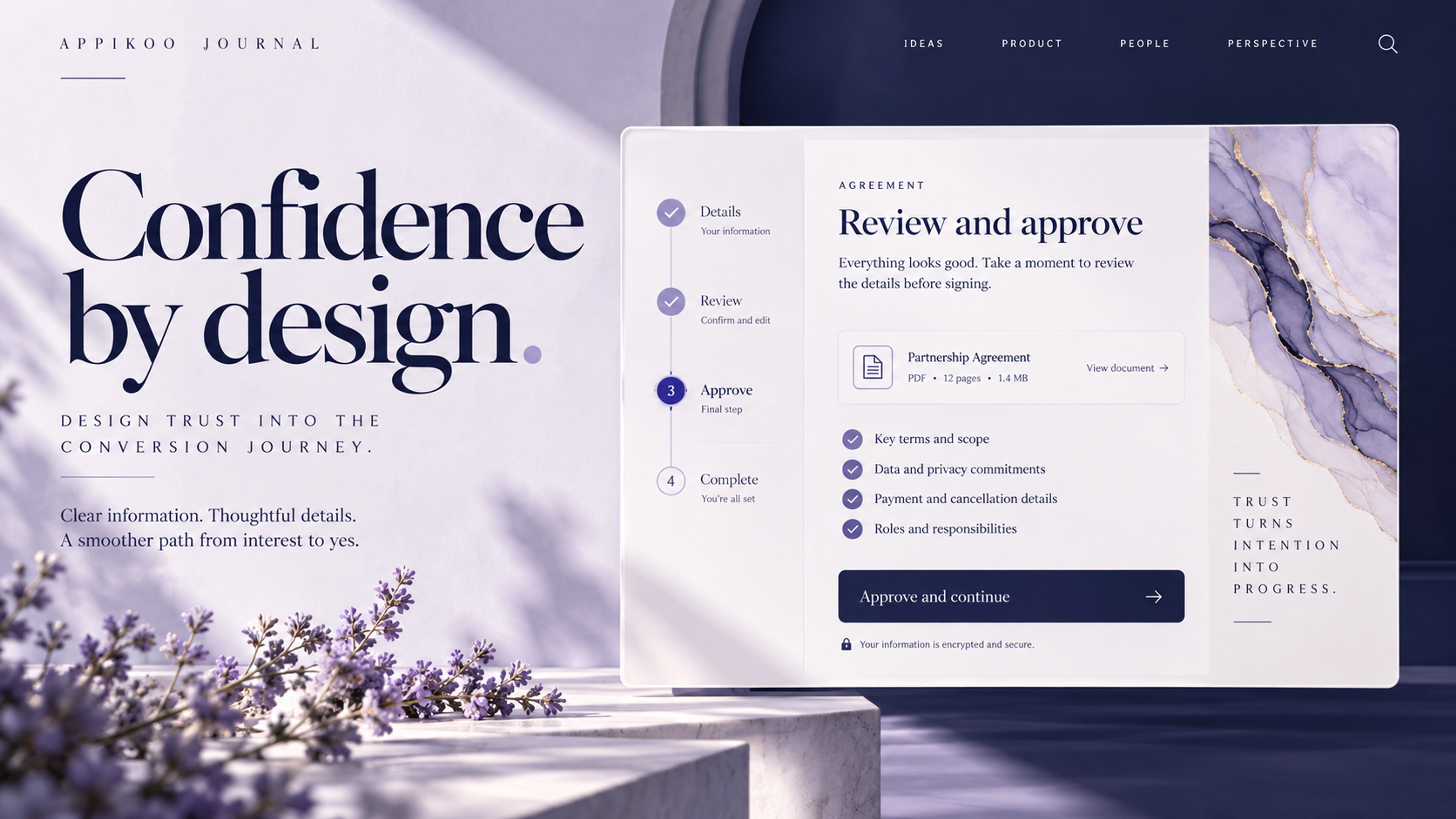
Fast interaction is more than a quick page load. Visitors need clear feedback, stable controls and a trustworthy result when they submit a request or complete a booking.
01.Measure the action itself
A landing page may load quickly while its form takes several seconds to respond. Follow the whole action from the first click to the confirmed result. Separate time spent in the browser, network requests and processing by an external service.
Observe the journey on a modest phone with a realistic connection. Large scripts and visual effects can delay interactions even after content becomes visible. Prioritize the controls required to complete the action over optional elements that compete for the same resources.
02.Acknowledge the request immediately
Show that a submission is being processed and prevent accidental repeated sends. Immediate feedback is not the same as declaring success before the operation completes. The interface should distinguish waiting, confirmed completion and a failure that needs attention.
Preserve the visitor’s work when a temporary problem occurs. Explain whether retrying is appropriate and avoid clearing a valid form unnecessarily. W3C guidance on form notifications is a useful reference for making success and correction messages understandable and accessible.
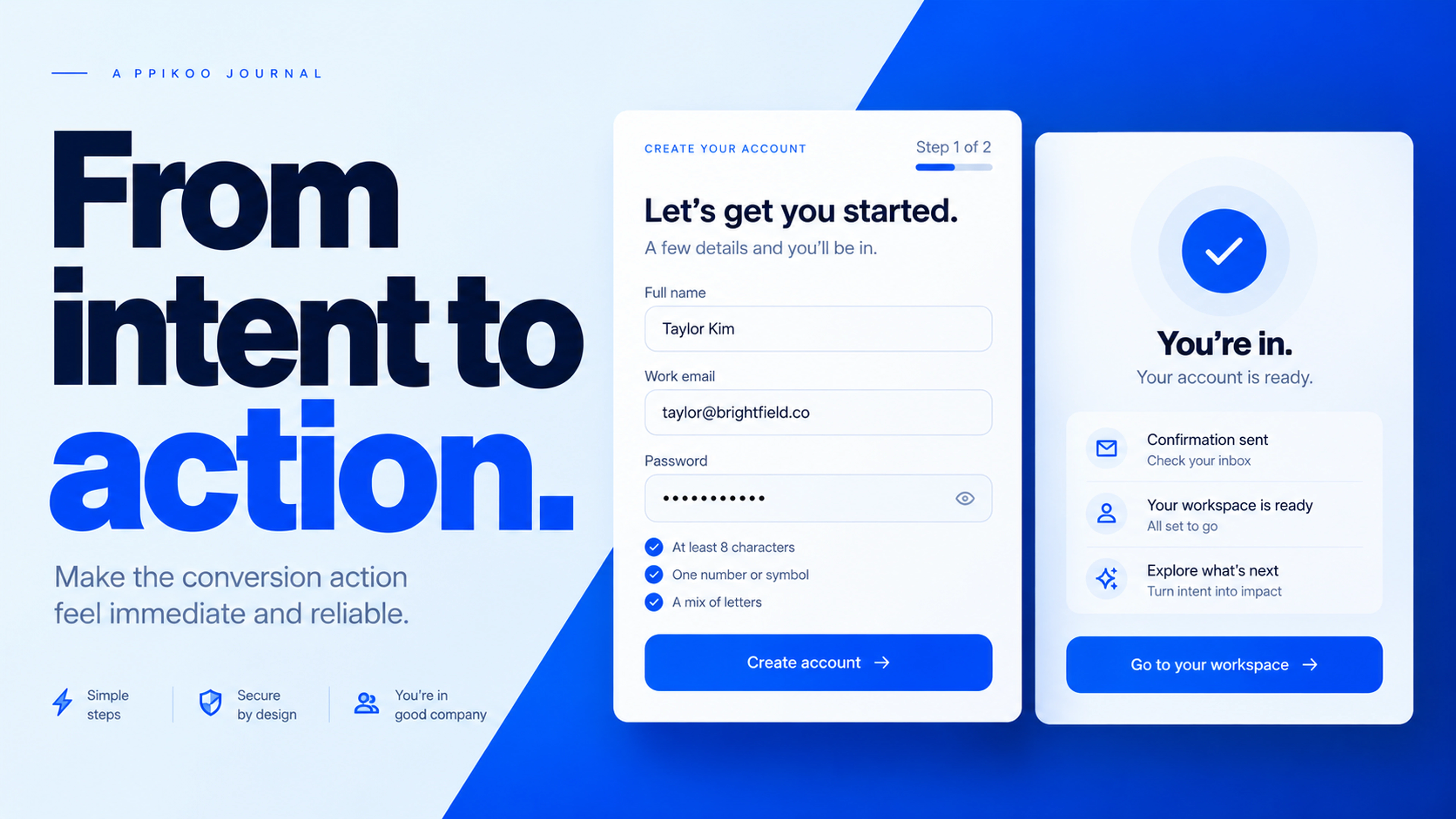
03.Keep the interface stable
A button that moves when an image loads creates uncertainty precisely when the visitor is ready to act. Reserve media space and avoid inserting promotional elements above active controls. Review layout changes while opening the keyboard and correcting validation errors.
Use familiar input types and concise labels. Offer helpful formatting without making the cursor jump unpredictably. If the form spans several steps, show progress and preserve earlier entries when the visitor moves back to review them.
04.Check completion, not only clicks
Compare attempted submissions with confirmed records and review failures separately. A busy button is not evidence of a successful conversion. Use technical measurements to find friction, then assess whether the repaired journey produces more useful completed actions under comparable conditions.