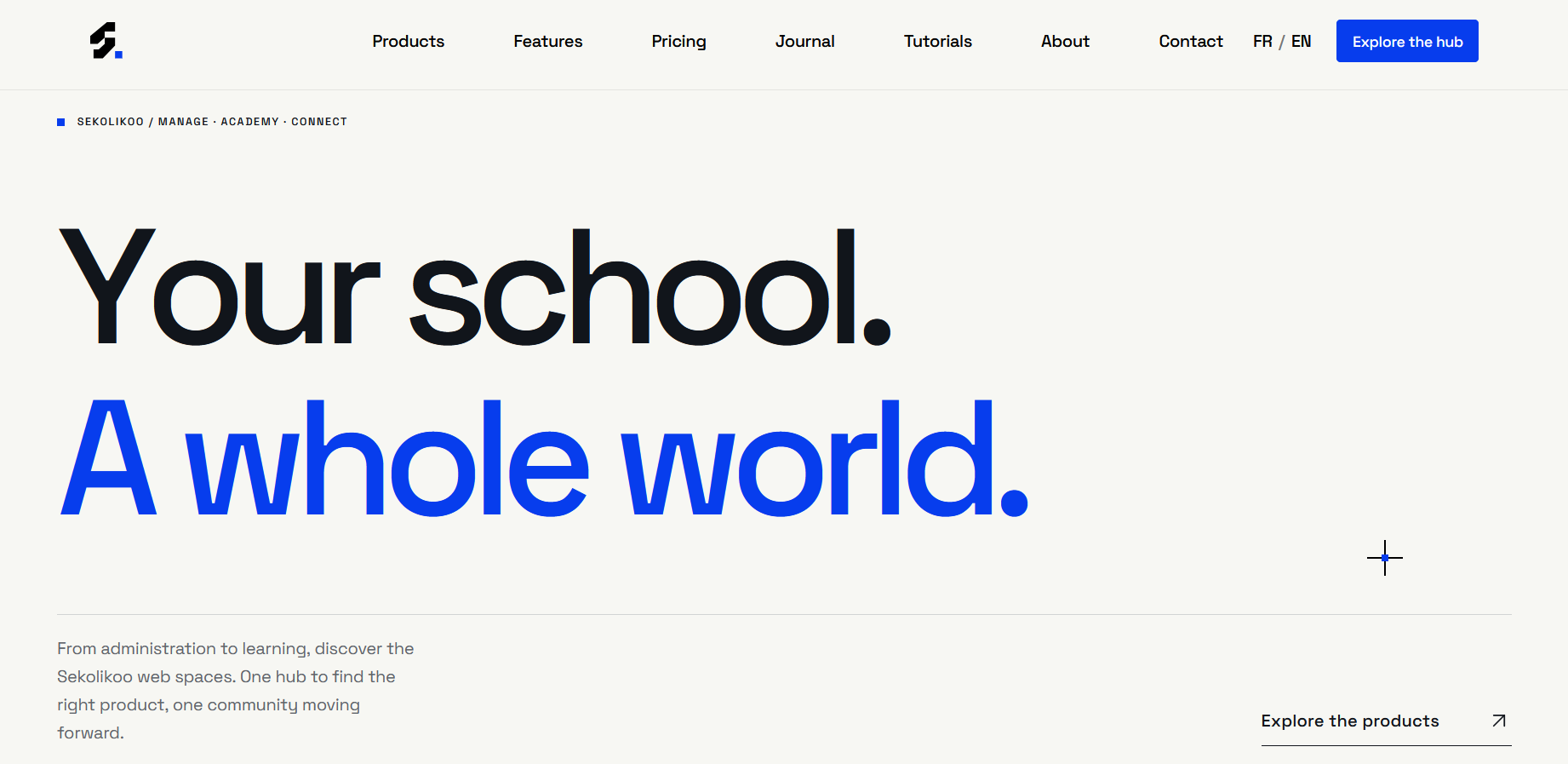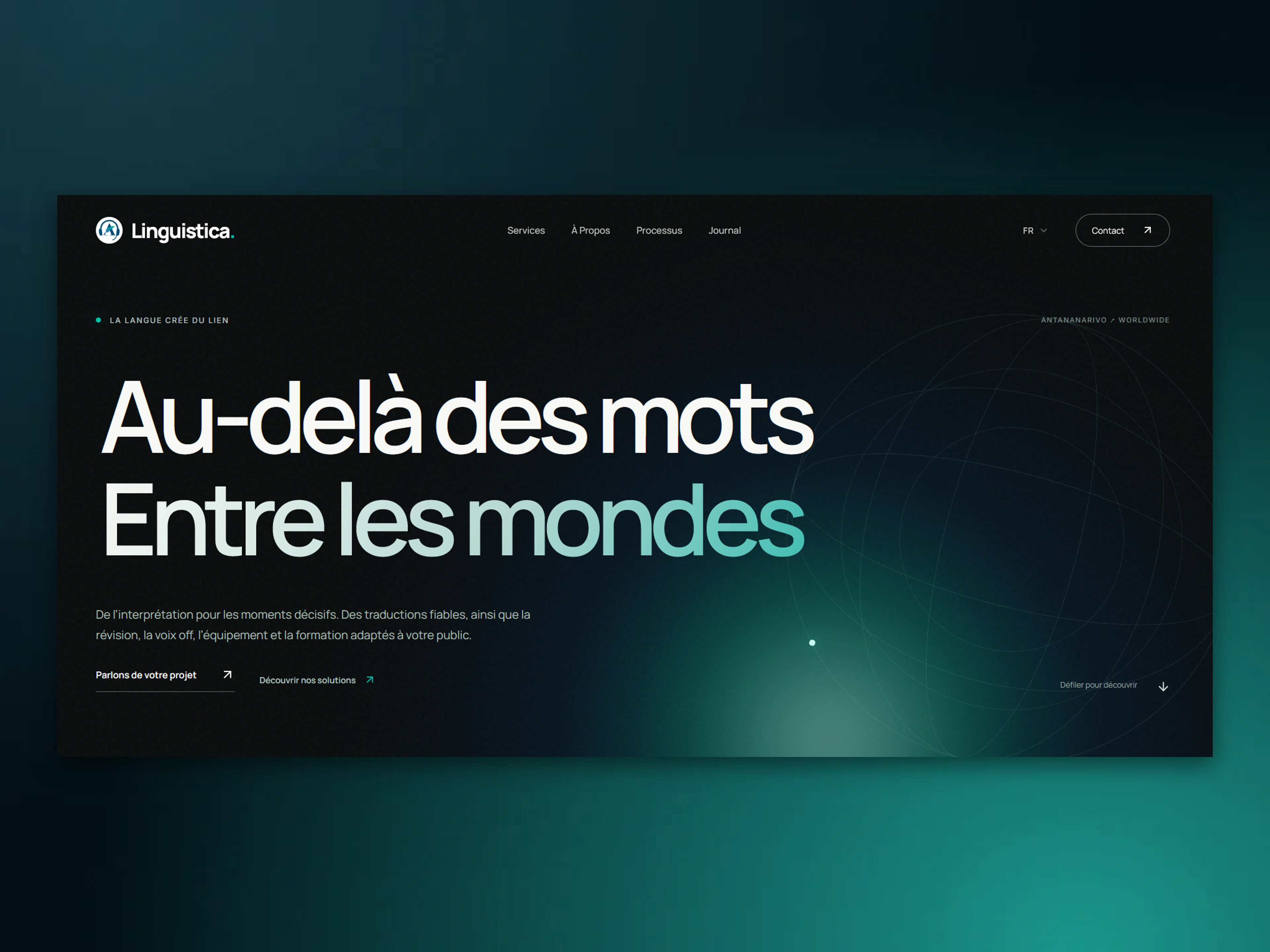
Trust grows when the offer, the interface and the follow-up tell the same story. Use clear conditions, relevant evidence and honest feedback instead of decorative reassurance.
01.Make the promise inspectable
Visitors need to understand what they are considering before they commit. Explain the deliverable, the important exclusions and the next step in language they can evaluate. A vague promise of excellence asks for trust without giving the reader anything to examine.
For a service enquiry, describe how the first discussion works and what information is useful. For a purchase, make the total and relevant delivery conditions clear before confirmation. The interface should not reveal a materially different offer at the final step.
02.Use evidence with clear boundaries
A case study is strongest when it identifies the context and the work actually performed. Explain what was measured and what was simply delivered. Illustrative mockups should be labelled as concepts so that readers do not mistake them for proof of a live system.
Avoid unsupported badges, fabricated scarcity and testimonials without a genuine source. These elements may imitate familiar trust signals while undermining the relationship once questioned. A concrete explanation of process can be more useful than an impressive-looking but unverifiable symbol.
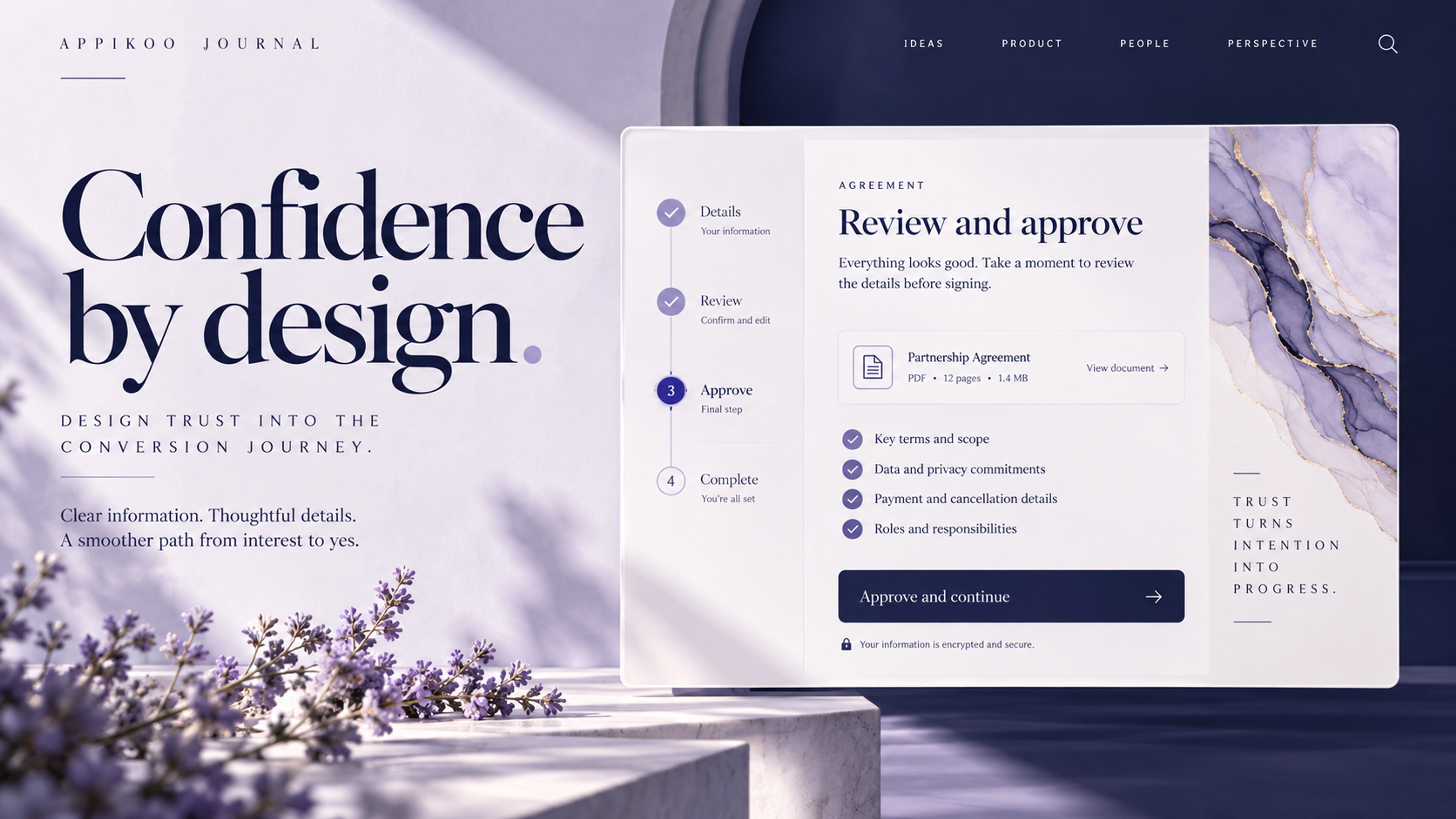
03.Explain why information is requested
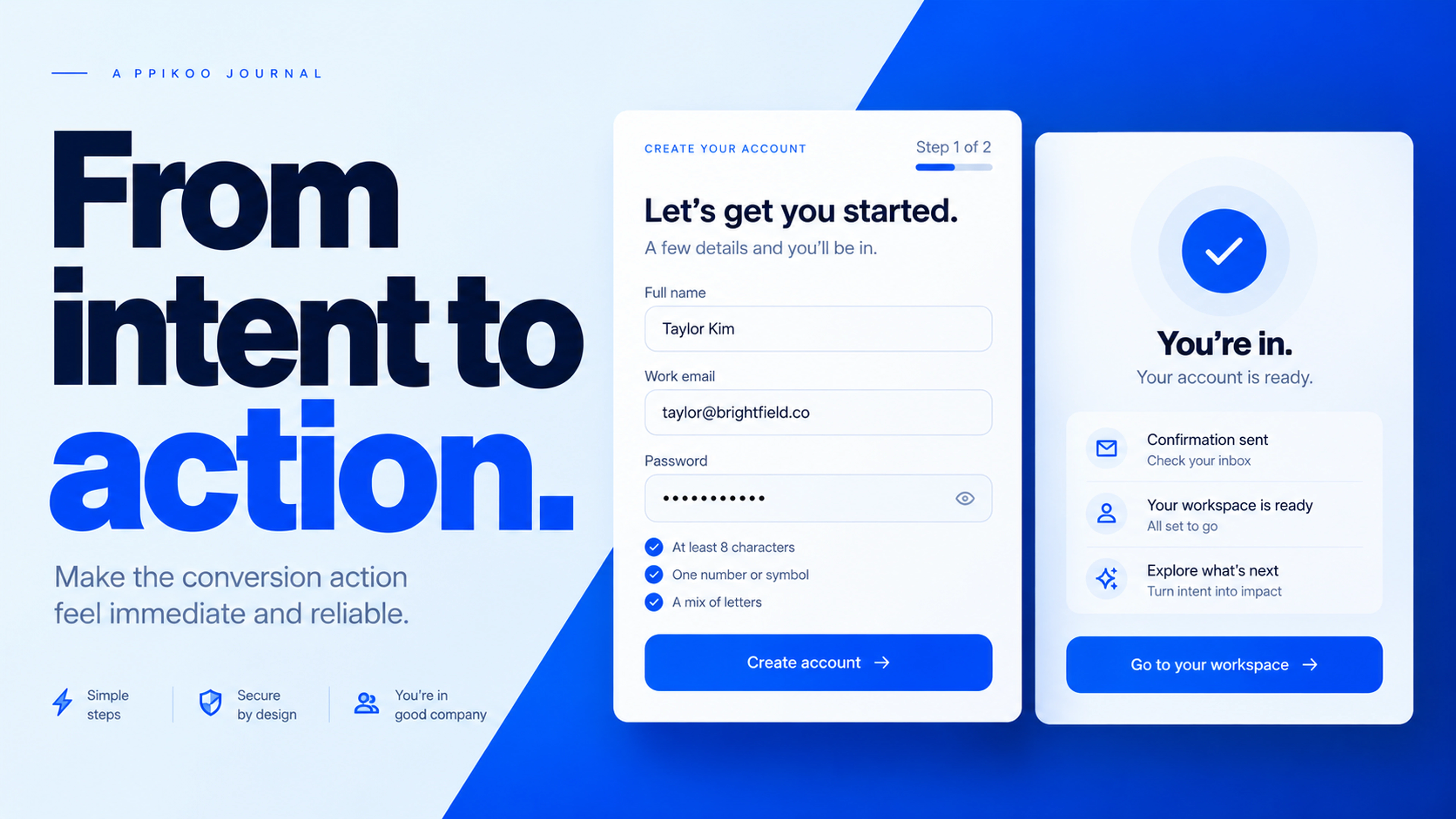
Every additional field asks the visitor for effort and disclosure. Connect the request to an immediate purpose and postpone details that are not needed yet. If a contact channel is required, explain how it will be used in the next step.
Keep choices understandable and separate optional preferences from the primary action. Review the form with someone outside the project: can they explain what they are agreeing to? Confusion at this point is a design problem, not a reason to add more fine print.
04.Make the follow-up match the page
Confirmation should say what completed and what comes next. Route the request to an accountable person and keep response expectations realistic. Trust is strengthened when the operational experience after the click is as clear and consistent as the page that invited it.