A useful application architecture follows the work, the data, and the people responsible for changing them.
01.Start with a completed task
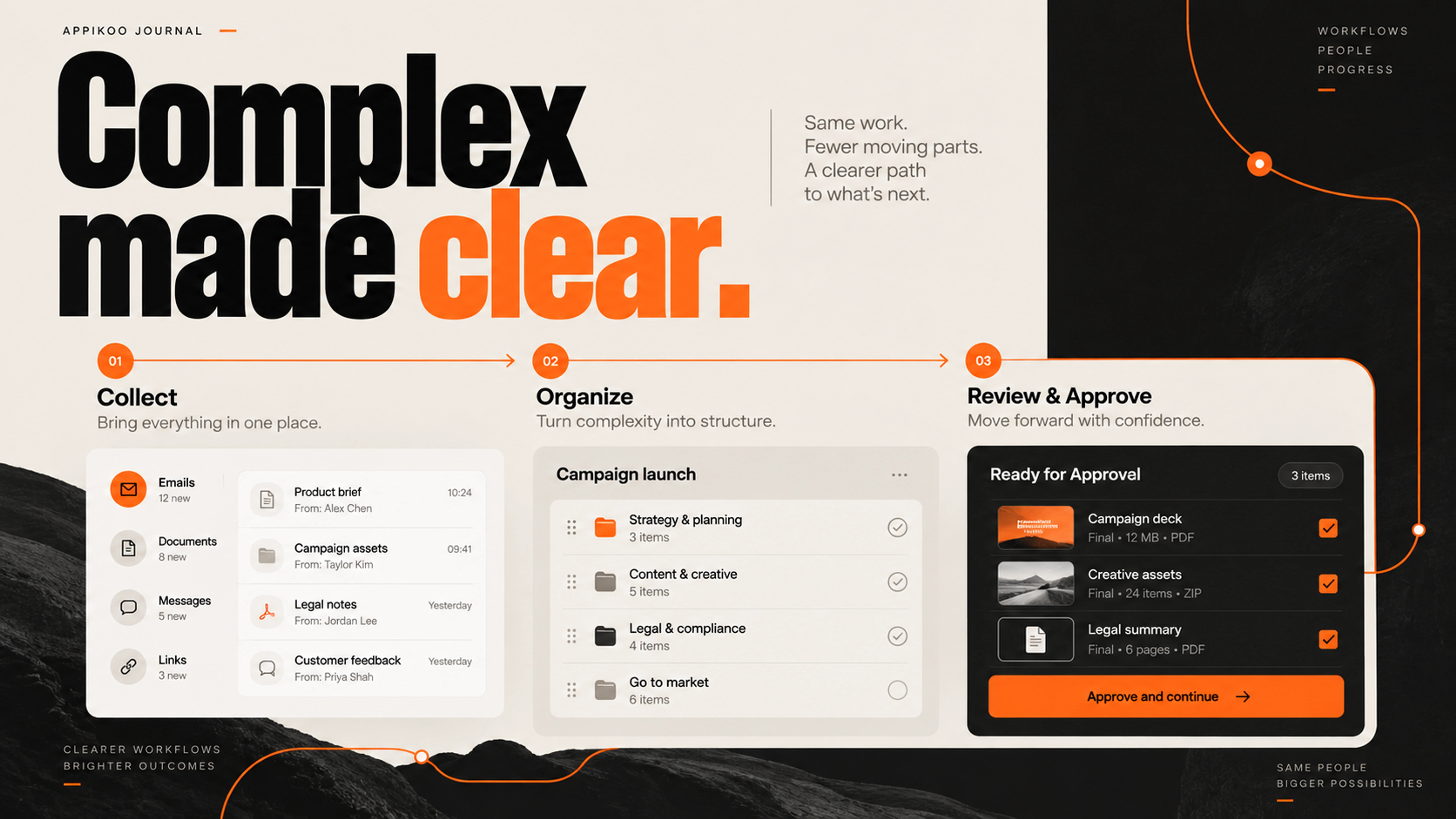
Imagine a team approving a supplier request. The useful unit is the complete decision: collect the request, review the evidence, approve a version, and notify the right people. A list of screens cannot explain who owns that decision or what makes it valid.
Describe the rules before choosing libraries. Identify the records, permissions, transitions, and exceptions involved. This short exercise makes disagreements visible while changing the product is still inexpensive.
02.Give each record an owner
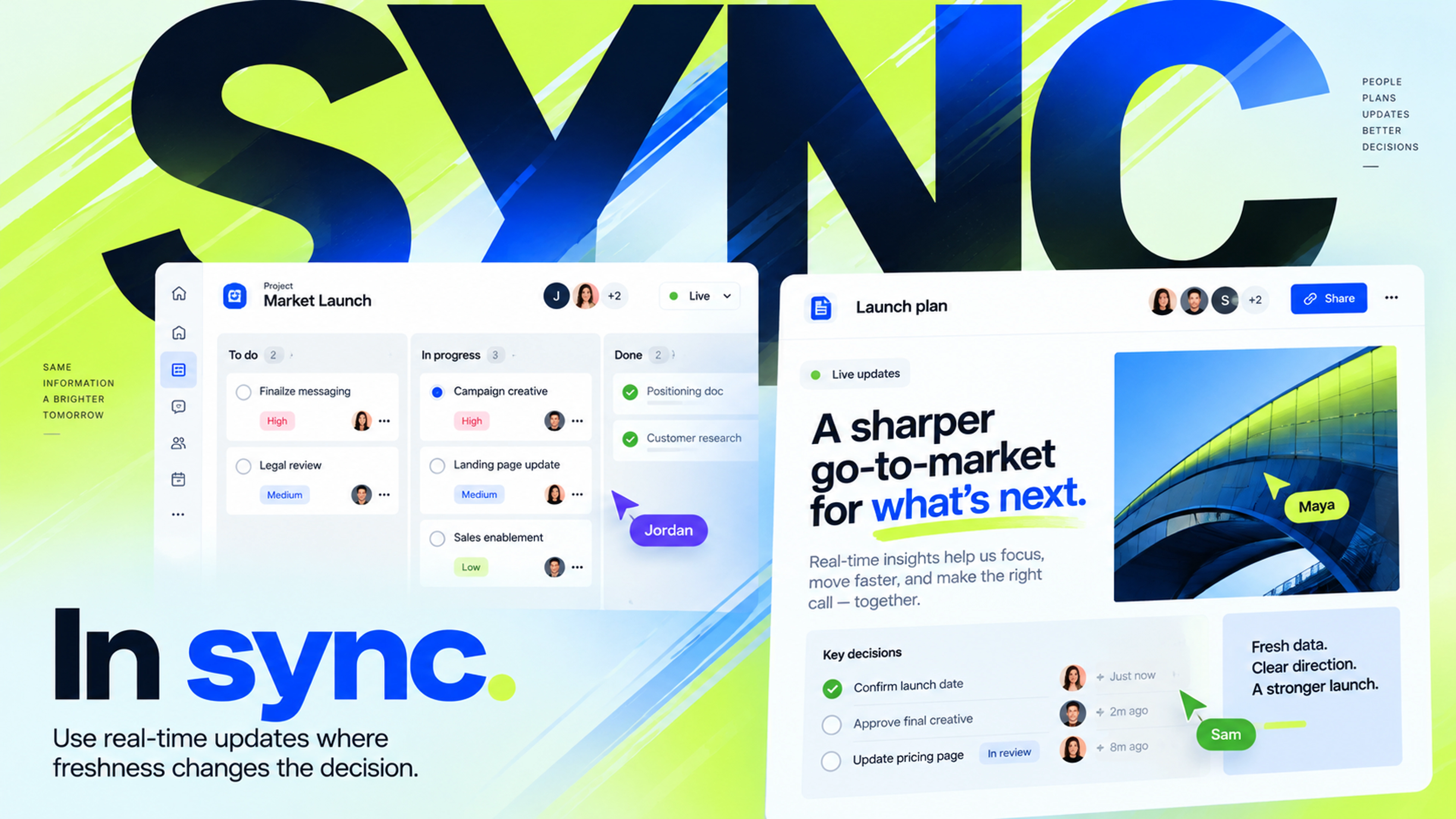
When an application and a CRM both store customer details, decide which system can change each field. Define how corrections travel and what users see when synchronization is delayed. Two editable copies without an ownership rule create an operational problem that a polished interface cannot resolve.
Keep business rules close to the records they protect. Shared validation should not depend on one particular screen remembering to call it.

03.Separate responsibilities without multiplying systems
A modular application can be a sensible starting point. Clear internal boundaries, explicit interfaces, and focused tests make changes easier to reason about without immediately introducing separately deployed services.
Separate a component when there is a concrete reason: a different scaling pattern, independent release ownership, or a required isolation boundary. Record the operational cost alongside the expected benefit, including monitoring and incident response.
04.Deliver one complete slice first
Build one real task through the interface, server, persistence layer, and notification path. Include a rejected action and a retry. This thin end-to-end release tests architectural assumptions sooner than a large collection of disconnected screens. Keep a brief decision record explaining the trade-offs so the next team can change the system deliberately.